

Intermittent fasting usually means a daily eating window, such as 16:8, or occasional longer fasts. Popular claims often jump from “I ate in fewer hours” to “my metabolism transformed.” The trials are more modest.
When calories are matched, time-restricted eating and ordinary calorie reduction tend to produce similar fat loss. Where fasting helps is adherence: some people find a clock easier to follow than counting every snack.
There are real caveats. Early windows sometimes suit appetite and sleep better than late-night eating, but shift work, diabetes medication, pregnancy, and a history of disordered eating change the risk picture. Those are clinician conversations, not app settings.
Athletic training is another constraint. A hard session at the end of a long fast can feel worse and recover worse. Moving the window, rather than forcing the workout into it, is usually the practical fix.
Calora’s fasting timer is a schedule aid next to the food log, not a promise of autophagy or fat-burning phases. If the window makes you overeat later, the log will show that — which is the useful outcome.
Keep reading
Why Calorie Tracking Matters
Awareness beats perfection. A simple daily log shows where energy actually goes — and why weekend habits quietly undo weekday intentions.
Read article →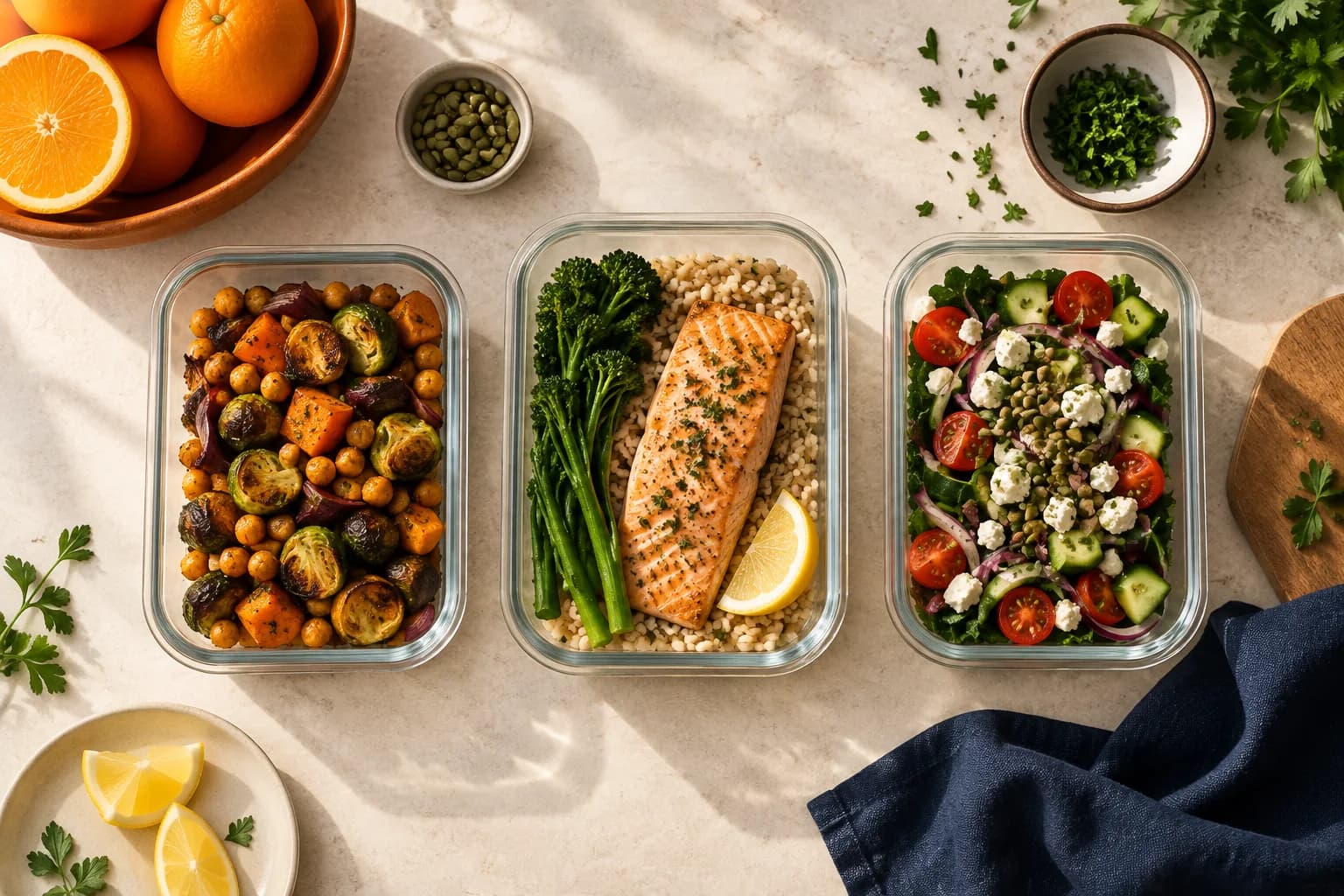
Macro Calculation Guide
Start from energy needs, set protein for the body you are training, then split the rest between carbs and fat in a way you can actually eat.
Read article →Healthy Meal Planning
Plan anchors, not a 21-meal performance. A short list of repeatable breakfasts, lunches, and flexible dinners beats a new recipe every night.
Read article →